Chrysanthemum Tea
Quick Info
- Flavor
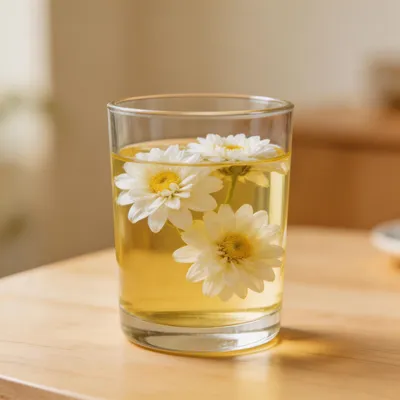
- Floral, lightly sweet, and refreshing with a honey-like fragrance. Mild and easy to drink.
- Texture
- Light, clear liquid with floating dried flower blossoms
- Spice Level
- Not spicy
- Temperature
- Temperature Varies
Ingredients
The Story
Chrysanthemum tea has been consumed in China for over a thousand years, valued both as a daily drink and as a traditional medicine for clearing heat and improving eyesight. The chrysanthemum holds deep cultural significance — it is one of the “Four Gentlemen” of Chinese art alongside plum blossom, orchid, and bamboo, symbolizing resilience in autumn. The most prized varieties come from Hangzhou (Hángbái Jú) and Huangshan (Gòng Jú), where they have been cultivated for imperial tribute for centuries.
What to Expect
A glass or pot of pale golden liquid with whole dried chrysanthemum blossoms floating gracefully on the surface — it is one of the most visually beautiful drinks you will encounter in China. The taste is gentle, floral, and calming, with none of the astringency of regular tea. Some versions include a few bright red goji berries for color contrast and mild sweetness. It is naturally caffeine-free and very low in calories, making it an easy choice at any time of day.
Tips
You will find chrysanthemum tea everywhere — restaurants, tea houses, and even as a free offering at some hotels. At restaurants, it is a great alternative to regular tea if you want something lighter. When you see a pot with floating flowers arrive at a Chinese table, this is likely what they ordered. The bottled versions sold in convenience stores are heavily sweetened and taste quite different from the real thing.