Herbal Cooling Tea
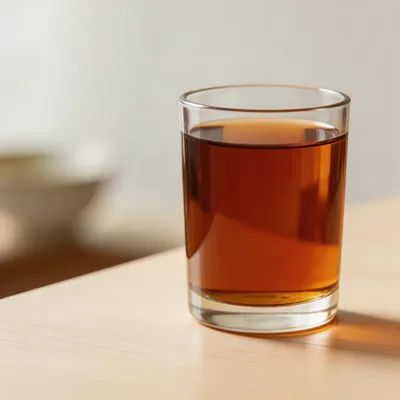
Quick Info
- Flavor
- Bitter and earthy with herbal, medicinal notes. Some varieties have a slightly sweet aftertaste.
- Texture
- Thin liquid, similar to regular tea but darker
- Spice Level
- Not spicy
- Temperature
- Temperature Varies
Ingredients
The Story
Herbal cooling tea is rooted in traditional Chinese medicine and the Cantonese concept of “shàng huǒ” (上火) — internal heat caused by hot weather, fried foods, or stress. Guangdong’s humid subtropical climate made cooling teas a medical and cultural necessity. The most famous brand, Wáng Lǎo Jí (王老吉), has been brewed since the 1820s and is now sold in red cans across China, rivaling Coca-Cola in popularity.
What to Expect
In Guangdong, dedicated herbal tea shops line the streets, displaying rows of large brass urns. The shopkeeper will recommend a brew based on your symptoms — sore throat, headache, indigestion. The taste ranges from mildly bitter to intensely medicinal, depending on the formula. Fresh-brewed versions from a herbal tea shop are far stronger and more bitter than the sweetened canned versions. First-time drinkers may find the bitterness challenging, but locals swear by its cooling effects.
Tips
If you are new to herbal tea, start with the bottled Wáng Lǎo Jí (王老吉) or Jiā Duō Bǎo (加多宝) — these are sweetened and much more approachable. At a traditional shop, tell them you want something “bù tài kǔ” (不太苦, not too bitter). Herbal teas are caffeine-free and generally safe, but if you take medications, be aware that some herbal ingredients can interact with Western drugs.