Mi Fen — Rice Noodles
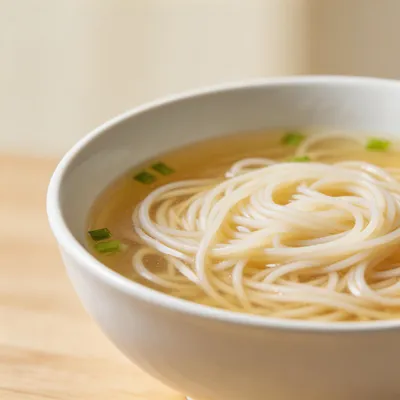
Quick Info
- Flavor
- Varies widely by region and preparation. Soup versions feature a clear or milky broth with clean, neutral-flavored noodles that absorb surrounding seasonings. Stir-fried versions are more savory with soy sauce and wok char. The noodles themselves are mild and slightly sweet from the rice.
- Texture
- Smooth, slippery noodles with a gentle chew — softer and more delicate than wheat noodles, ranging from thin vermicelli to thick flat ribbons depending on the region
- Spice Level
- Not spicy
- Temperature
- Served Hot
Ingredients
Allergens
Possible
These ingredients may vary by restaurant. Ask your server to confirm.
The Story
Rice noodles are to southern China what wheat noodles are to the north — the foundational starch that entire regional cuisines are built around. Below the Yangtze River, where rice paddies dominate the landscape, locals have been grinding rice into noodles for centuries. Every southern province has developed its own signature style: Guilin has its iconic round rice noodles in savory broth, Changsha serves them with a fiery chili-laden sauce, Kunming crosses the bridge with its famous pot of boiling broth, and Guangdong folds them into silky sheets called cheung fun.
The word 米粉 literally means “rice flour” or “rice powder,” reflecting the process: rice is soaked, ground into a slurry, then steamed or extruded into noodle form. In southern cities, a bowl of mi fen is the default breakfast. Workers line up at street stalls before dawn, slurping down a quick bowl before heading to work. It is fast, filling, cheap, and endlessly customizable with whatever toppings you want to pile on.
What to Expect
A large bowl of translucent, white or off-white noodles in broth, or stir-fried on a plate. Soup versions come with a clear or slightly cloudy broth, often pork-based, topped with scallions, pickled vegetables, and sometimes sliced meat or a fried egg. The noodles are slippery and smooth — noticeably different from wheat noodles in both texture and flavor. They have a gentle, clean taste and a softer bite. Stir-fried versions (炒米粉) are drier, with a light soy sauce color and wok-kissed flavor.
Regional variations can be dramatically different from each other. In Changsha, expect a spicy, oily chili sauce. In Guangzhou, the broth is delicate and the focus is on freshness. In Guilin, a rich, savory meat stock defines the experience. Ask what style the restaurant serves if you want to know what you are getting.
Tips
Rice noodles are naturally gluten-free, making them a great option for anyone avoiding wheat. However, always confirm that no wheat-based soy sauce has been added if you have a serious gluten allergy. A bowl of mi fen typically costs 10-20 yuan at street-level shops — it is genuine budget food. When ordering, you may be asked about thickness (粗 cū for thick, 细 xì for thin) and whether you want soup (汤粉 tāng fěn) or dry/stir-fried (炒粉 chǎo fěn). Point to what other diners are eating if the choices feel overwhelming.