Qing Chao Xi Lan Hua — Stir-Fried Broccoli
Quick Info
- Flavor
- Clean, fresh, and lightly garlicky. A simple vegetable flavor with mild savory notes from a touch of salt or soy sauce.
- Texture
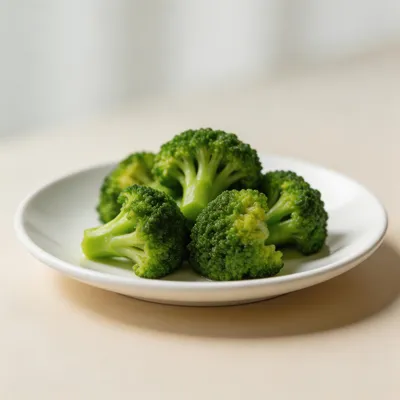
- Bright green florets that are tender-crisp with a satisfying bite, coated in a thin garlic-infused sauce
- Spice Level
- Not spicy — No heat at all — a purely mild, clean dish
- Temperature
- Served Hot
Ingredients
Allergens
Possible
These ingredients may vary by restaurant. Ask your server to confirm.
The Story
Broccoli (西兰花, literally “western orchid flower”) is a relatively recent arrival in Chinese cuisine, having become widely available only in the 1990s. Despite its foreign origins, it was quickly adopted into the Chinese kitchen and is now one of the most commonly ordered vegetables at restaurants across the country. The Chinese approach is simple: blanch or stir-fry the florets quickly with garlic, keeping them bright green and crisp.
The name 清炒 (qīng chǎo) means “clear stir-fry” — a technique that uses minimal seasoning to preserve the vegetable’s natural flavor and color. It’s the purest form of Chinese vegetable cookery, where the goal is to enhance rather than mask the ingredient. This philosophy extends across dozens of vegetables, but broccoli has become one of the most popular choices because it holds up well to wok heat.
What to Expect
A vibrant green plate of broccoli florets glistening with a light garlic sauce. The florets are uniformly cut and cooked just past raw — bright in color with a pleasant crunch. You’ll see bits of minced garlic clinging to the surface. Some versions add a thin cornstarch-thickened sauce that gives the dish a subtle gloss. There’s no heat, no complexity — just clean, fresh broccoli flavor. It’s the kind of dish that cleanses your palate between richer, spicier courses.
Tips
This is the ultimate safe order for cautious eaters, vegetarians, or anyone looking for something green and simple on a Chinese menu. At 15-25 yuan, it’s one of the cheapest dishes available. It’s also naturally free of common allergens, though some restaurants may add a splash of soy sauce or oyster sauce — ask if this matters to you. Pair it with a bolder dish to round out your meal. If you see 蒜蓉西兰花 (suàn róng xī lán huā) on the menu, that’s the garlic-heavy version and equally delicious.