Wō Wō Tóu — Corn Bread Cone
Quick Info
- Flavor
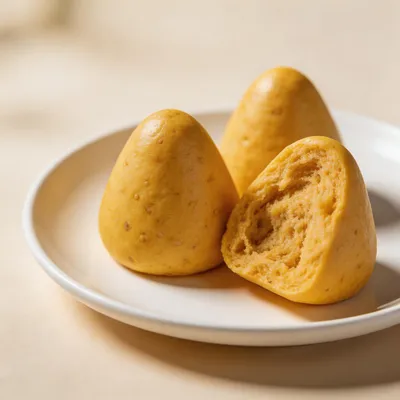
- Mildly sweet corn flavor with a subtle earthy, grainy taste. Plain and wholesome.
- Texture
- Dense, slightly crumbly, and grainy with a dry, cake-like mouthfeel
- Spice Level
- Not spicy
- Temperature
- Served Hot
Ingredients
Allergens
Confirmed
The Story
The wō wō tóu is a humble cone-shaped cornbread that fed northern China through centuries of hardship. Its distinctive shape — a cone with a hollow center — was designed so it would steam evenly. Once considered poor people’s food made from coarse grains, it gained unexpected fame when Empress Dowager Cixi reportedly developed a taste for a refined version during the chaos of fleeing Beijing in 1900. Today it’s enjoyed as a nostalgic “coarse grain” (粗粮) health food.
What to Expect
A small, golden-yellow cone about the size of your fist, with a hollow thumb-print indentation at the base. It looks like a miniature volcano. The texture is dense and crumbly — drier than wheat bread, with a distinct corn flavor. It’s plain and simple, meant to be eaten alongside flavorful dishes rather than on its own. Some restaurants serve modernized versions that are sweeter and softer than the traditional recipe.
Tips
Often served at restaurants that specialize in northern home-style cooking or “coarse grain” (粗粮) themed menus. Pair it with a saucy dish — the dry texture is meant to soak up flavors. It’s a good conversation starter about Chinese food history and how grain hierarchies shaped the cuisine.