The Eight Great Cuisines of China
Chinese food is not one cuisine. It is eight classical traditions, plus a long tail of regional cooking. Pick one to see what defines it and which dishes from our library belong to it.
川菜 Sichuan
Sichuan and Chongqing, southwest China
麻辣 (málà): numbing Sichuan peppercorn plus chili heat, built on fermented broad-bean paste, garlic and lard.
The famous dishes are only part of it. A Sichuan table usually includes cold dishes in chili oil, one or two wok dishes, and something steamed or souped to give your mouth a rest.
Order this: Start with a cold dish, add mapo tofu or twice-cooked pork, then one of the water-boiled dishes if you can take the heat.
57 dishes from this cuisine in our library
-
 担担面 Dan Dan Noodles: Pole-Carried Noodles
-
 宫保鸡丁 Kung Pao Chicken: Governor Bao's Chicken
-
 麻婆豆腐 Mapo Tofu: Pockmarked Grandma's Tofu
-
 四川火锅 Sichuan Hot Pot: Fire Pot
-
 回锅肉 Twice-Cooked Pork: Back-in-the-Pot Pork
-
 蚂蚁上树 Ants Climbing a Tree: Spicy Glass Noodles
-
 棒棒鸡 Bang Bang Chicken: Stick-Beaten Chicken
-
 包菜粉丝 Cabbage with Glass Noodles: The Everyday Budget Classic
-
 成都凉面 Chengdu Cold Noodles: Sichuan-Style Cold Noodles
-
 鸡丝凉面 Chicken Cold Noodles
-
 万州烤鱼 Chongqing Grilled Fish: Wanzhou Roasted Fish
-
 重庆火锅 Chongqing Hot Pot: Chongqing-Style Numbing-Spicy Hot Pot
Showing 12 of 57. Use the dish browser to filter the rest.
鲁菜 Shandong
Shandong province, northeast coast
Savory and clean-tasting, with a deep stock. Braising, quick-frying and soup technique are the hallmarks.
Shandong cooking is the old court and northern-bureaucrat style. It is far less spicy than Sichuan or Hunan, and it leans on sea cucumber, abalone, and clear soups.
Order this: Look for braised sea cucumber, sweet-and-sour carp, and anything described as 葱烧 (scallion-braised).
17 dishes from this cuisine in our library
-
 黄焖鸡米饭 Braised Chicken Rice: Shandong's Comfort Bowl
-
 葱烧海参 Braised Sea Cucumber with Scallion
-
 拔丝地瓜 Candied Sweet Potato: Spun Sugar Delight
-
 德州扒鸡 Dezhou Braised Chicken: China's Famous Train Snack
-
 酱爆鸡丁 Diced Chicken in Bean Sauce
-
 地锅鸡 Earth Pot Chicken
-
 四喜丸子 Four Joy Meatballs: Celebration Meatballs
-
 黄焖鸡 Huang Men Ji: Braised Chicken in Soy Sauce
-
 九转大肠 Nine-Turn Large Intestine: Shandong's Most Adventurous Dish
-
 锅塌豆腐 Pan-Fried Stuffed Tofu: Shandong's Golden Pillows
-
 老醋花生 Peanuts in Aged Vinegar
-
 咸鸭蛋 Salted Duck Egg: Ancient Preservation, Modern Staple
Showing 12 of 17. Use the dish browser to filter the rest.
粤菜 Cantonese
Guangdong and Hong Kong, south coast
Fresh, mild and lightly cooked. Steaming, roasting and stir-frying preserve texture rather than mask it.
Cantonese food is the easiest entry point if you do not like heat, and the hardest to fake: the skill is in the freshness and the timing of the wok. Dim sum is a Cantonese invention.
Order this: Roast goose or char siu, steamed fish, and a basket of dim sum with tea.
48 dishes from this cuisine in our library
-
 上汤娃娃菜 Baby Cabbage in Broth
-
 竹升面 Bamboo Noodles: Old-School Springy Noodles
-
 豉汁排骨 Black Bean Spare Ribs: Dim Sum Essential
-
 黑米粥 Black Rice Porridge: The Emperor's Forbidden Grain
-
 黑芝麻糊 Black Sesame Soup: Liquid Velvet
-
 白灼虾 Blanched Shrimp
-
 红烧牛腩 Braised Beef Brisket: Red-Cooked Brisket
-
 蛋挞 Cantonese Egg Tart: Golden Custard Cup
-
 叉烧包 Char Siu Bao: BBQ Pork Buns
-
 叉烧 Char Siu: Cantonese BBQ Pork
-
 肠粉 Cheung Fun: Silky Rice Noodle Rolls
-
 煲仔饭 Claypot Rice: Sizzling in the Pot
Showing 12 of 48. Use the dish browser to filter the rest.
苏菜 Jiangsu
Jiangsu province, lower Yangtze
Slightly sweet, delicate and precise. Knife work and slow braising are the points of pride.
Jiangsu covers several regional styles, including Huaiyang cooking, which is often served at state banquets. Expect restrained seasoning and a lot of soup.
Order this: Squirrel fish, lion's head meatballs, and anything braised until it is soft enough to cut with a spoon.
21 dishes from this cuisine in our library
-
 叫花鸡 Beggar's Chicken
-
 碧螺春虾仁 Biluochun Tea Shrimp
-
 樱桃肉 Cherry Pork
-
 水晶肴蹄 Crystal Pork Trotters
-
 醉虾 Drunken Shrimp
-
 酒酿圆子 Fermented Rice Balls: Sweet Rice Wine Dumplings
-
 腐乳肉 Fu Ru Rou: Fermented Tofu Braised Pork
-
 青团 Green Rice Ball: Qing Tuan
-
 狮子头 Lion's Head Meatballs
-
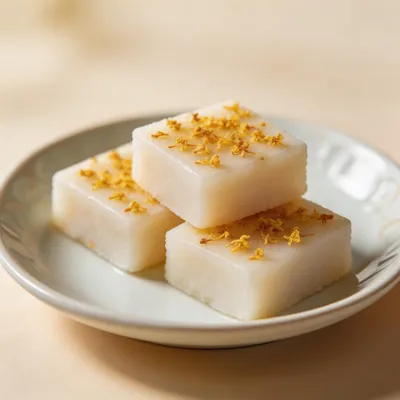 桂花糕 Osmanthus Cake
-
 桂花糯米糕 Osmanthus Sticky Rice Cake
-
 阳春面 Plain Spring Noodles
Showing 12 of 21. Use the dish browser to filter the rest.
浙菜 Zhejiang
Zhejiang province, east coast around Hangzhou
Fresh, light and faintly sweet, with a love of freshwater fish, bamboo shoots and tea.
Hangzhou cooking is the best-known branch. Dishes are often tied to a poem or a lake, and the seasoning is gentle compared with the west of the country.
Order this: West Lake fish in vinegar, Longjing shrimp, and Dongpo pork if you want the rich end of the style.
15 dishes from this cuisine in our library
-
 梅干菜烧肉 Braised Pork with Preserved Vegetables
-
 油焖笋 Braised Spring Bamboo Shoots
-
 东坡肉 Dongpo Pork: The Poet's Braised Belly
-
 叫花童鸡 Hangzhou Beggar's Chicken
-
 酱鸭 Hangzhou Braised Soy Duck
-
 杭椒牛柳 Hangzhou Pepper Beef
-
 龙井虾仁 Longjing Tea Shrimp: Dragon Well Shrimp
-
 宁波汤圆 Ningbo Sweet Rice Balls
-
 桂花糯米藕 Osmanthus Sticky Rice Lotus Root
-
 片儿川 Pian'er Chuan Noodles: Hangzhou's Signature Noodle Soup
-
 红烧鲫鱼 Red Braised Crucian Carp
-
 荠菜芋艿 Shepherd's Purse with Taro
Showing 12 of 15. Use the dish browser to filter the rest.
闽菜 Fujian
Fujian province, southeast coast
Umami-rich and soup-heavy, with seafood, fermented fish sauce and a sour note from red rice wine lees.
Fujian is famous for 佛跳墙 (Buddha Jumps Over the Wall), a slow-cooked banquet soup, and for the sour-sweet flavours of Fuzhou cooking.
Order this: Any soup, anything described as 醉 (drunken, cooked with wine), and the fish balls.
11 dishes from this cuisine in our library
-
 佛跳墙 Buddha Jumps Over the Wall: The Emperor's Soup
-
 福建焖面 Fujian Braised Noodles
-
 福建炒饭 Fujian Fried Rice: Gravy-Topped Fried Rice
-
 春卷 Fujian Spring Rolls: The Original Spring Roll
-
 福州鱼丸 Fuzhou Fish Balls: Stuffed Seafood Dumplings
-
 姜母鸭 Ginger Duck: Fujian Winter Warmer
-
 卤肉饭 Lu Rou Fan: Braised Pork Rice
-
 荔枝肉 Lychee-Shaped Pork: Fujian Sweet and Sour
-
 蚵仔煎 Oyster Omelette: Fujian Street Classic
-
 沙茶面 Satay Noodle Soup: Xiamen's Signature Bowl
-
 花生汤 Sweet Peanut Soup: Fujian Comfort Dessert
湘菜 Hunan
Hunan province, central south
Dry heat and sourness rather than numbing. Chilies are used fresh and smoked, often with cured pork.
Hunanese food is often hotter than Sichuan food but without the peppercorn tingle. Smoked and cured meats are everywhere, and the sourness comes from pickles.
Order this: Hunan smoked pork, steamed fish head with chopped chilies, and dry-fried chicken.
27 dishes from this cuisine in our library
-
 啤酒鸭 Beer Duck: Braised in a Bottle of Brew
-
 毛氏红烧肉 Chairman Mao's Red Braised Pork: The Revolutionary's Favorite
-
 长沙米粉 Changsha Rice Noodles: The City's Breakfast
-
 口味虾 Changsha Spicy Crawfish: Summer Obsession
-
 长沙臭豆腐 Changsha Stinky Tofu: The Smell is the Point
-
 孜然羊肉 Cumin Lamb: Hunan Style
-
 东安鸡 Dong'an Chicken: Hunan's Vinegar-Chili Classic
-
 干锅牛蛙 Dry Pot Bullfrog: Changsha's Bold Amphibian Specialty
-
 干锅花菜 Dry Pot Cauliflower
-
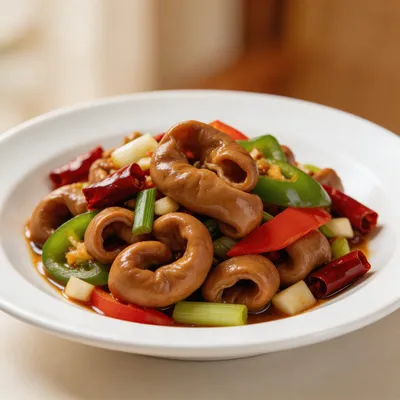 干锅肥肠 Gan Guo Fei Chang: Dry Pot Pork Intestines
-
 荷兰豆炒腊肉 He Lan Dou Chao La Rou: Snow Peas with Cured Meat
-
 酸辣草鱼 Hot and Sour Grass Carp
Showing 12 of 27. Use the dish browser to filter the rest.
徽菜 Anhui
Anhui province, inland east
Braised and slow-cooked, with wild mountain herbs, bamboo and preserved vegetables.
Anhui is the least exported of the eight, and the most tied to its landscape. Huizhou merchants travelled with their own cooks, so the style rewards patience rather than heat.
Order this: Furry tofu, bamboo-shoot braises, and anything the menu calls 农家 (farmhouse).
10 dishes from this cuisine in our library
-
 竹笋烧肉 Bamboo Shoot Braised Pork
-
 牛肉板面 Beef Ban Noodles
-
 蛋饺 Egg Dumplings: Golden Ingot Dumplings
-
 毛豆腐 Furry Tofu: Anhui's Moldy Marvel
-
 胡适一品锅 Hu Shi One-Pot Stew: The Scholar's Hot Pot
-
 黄山烧饼 Huangshan Sesame Cake: Mountain Hiking Fuel
-
 李鸿章杂烩 Li Hongzhang Hodgepodge: The Diplomat's Stew
-
 三河米饺 Sanhe Rice Dumplings
-
 臭鳜鱼 Stinky Mandarin Fish: Anhui's Fermented Masterpiece
-
 无为熏鸭 Wuwei Smoked Duck
Why eight, and what the grouping means
The eight great cuisines (八大菜系) are a rough map drawn by cooks and scholars, not a rule from a government. Each one grew out of a region's climate, its rivers or coastline, and the trade that passed through it. Sichuan cooks around peppercorn and preserved beans. Cantonese cooks around freshness and steam. Shandong cooks around stock.
Knowing which tradition a dish belongs to tells you a lot before the plate arrives: how hot it will be, whether it will be sweet, and whether the kitchen's skill is in the wok or in the braise.
Beyond the eight
Plenty of excellent Chinese cooking sits outside the classical list. Our library also covers:
- Beijing (20 dishes): Court and northern cooking, best known for roast duck and hotpot.
- Shanghai (20 dishes): Benbang cooking: sweeter and heavier than Jiangsu, with soy braises and drunken dishes.
- Shaanxi (20 dishes): Northwest wheat country: hand-pulled noodles, roujiamo, and lamb.
- Northeast (8 dishes): Big portions, sour cabbage, and stews built for winter.
- Yunnan (3 dishes): Mushrooms, herbs and rice noodles, with flavours closer to Southeast Asia.
- Xinjiang and the northwest (4 dishes): Cumin, lamb, hand-pulled noodles and chargrilled skewers.
- Guangxi (2 dishes): Rice noodles, river snails and a sour, fermented tang.
- Hubei (10 dishes): River fish, lotus root and hot dry noodles.
- Henan (2 dishes): Central-plains cooking: peppery soups and wheat staples.
- Guizhou (2 dishes): Sour and fermented, with a heat that sneaks up on you.
How to use this when ordering
- Pick a cuisine, then a dish. If you liked one Sichuan dish, the rest of the Sichuan column is a safe bet.
- Mix two cuisines at one meal. A Cantonese steamed dish next to a Hunan braise is how a lot of Chinese families eat at home.
- Use the spice scale if heat is your worry. Hunan and Sichuan run hottest; Cantonese, Jiangsu and Zhejiang are mild.